
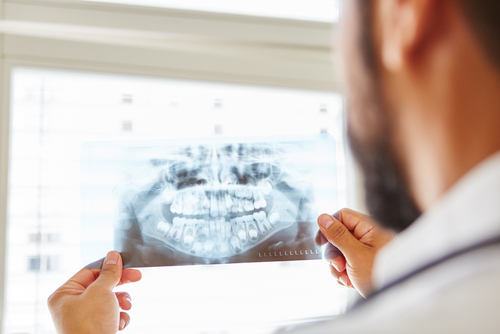
A full mouth extraction is not something most people consider without good reason. The question usually forms after patterns repeat and progress stalls. Teeth loosen. Infections return. Repairs hold for a time, then fail again. When several problems exist at once, it becomes reasonable to ask whether the teeth can still be supported safely, and how painful is full mouth extraction if that step becomes necessary.
That question is often tied to underlying health concerns. Advanced gum disease can weaken the bone and tissue that hold teeth in place. In other cases, trauma or long-term breakdown leaves teeth too damaged to function or heal. Together, these conditions point toward a broader concern: maintaining teeth may no longer protect oral health.
How Painful Is Full Mouth Extraction?
Pain is often the concern that weighs heaviest when full mouth extraction is recommended. During the procedure, we carefully control pain. We numb the areas being treated and support that numbness with sedation options so you remain comfortable, relaxed, and protected throughout the process.
We use local anesthesia to block sensation in the gums and jaw where teeth are removed. You may notice pressure or movement as we work, but sharp pain should not occur. We confirm numbness before starting and continue checking it throughout the procedure, adding more anesthetic as needed. The numbing effect lasts for several hours, covering the procedure and the early recovery period.
For additional comfort, we offer sedation options alongside local anesthesia. Oral conscious sedation involves taking a prescribed medication before your appointment. It helps reduce anxiety and awareness while allowing you to remain responsive. Nitrous oxide provides fast-acting relaxation through a small mask and wears off shortly after treatment ends. Both options help ease tension and make the experience feel more manageable.
Many people find that extraction reduces pain rather than increases it. Infected or severely damaged teeth often cause ongoing soreness, pressure, or sensitivity that does not resolve with repair. Removing those teeth eliminates the source of irritation and infection, allowing the tissues to heal. As recovery progresses, comfort often improves, and the mouth becomes better prepared for dentures or other restorative solutions.
Is the Healing Process After Full Mouth Extraction Painful?
Immediate healing
During the first few days, swelling and tenderness are most noticeable. The mouth often feels sensitive as the tissues respond to treatment. Medication, cold packs, rest, and keeping the head elevated usually help keep discomfort manageable during this phase.
Short-term recovery
As healing continues, swelling and tenderness remain present but begin to ease. Speaking and eating may still feel challenging at times, though most people notice steady improvement from day to day when home-care instructions are followed.
Continued healing
After the first week, sensations often shift from intense to milder and occasional. Many people begin reducing or stopping medication as comfort improves. Over the following weeks, the gums strengthen, swelling resolves, and the mouth feels increasingly stable.
While recovery can feel uncomfortable at first, those sensations are temporary. As healing progresses, most people experience relief compared to living with an ongoing infection or damaged teeth.
Mini Dental Implants After Tooth Extraction
After tooth extraction, the mouth is already in a healing phase. Mini dental implants support that process by limiting additional surgical stress.
Mini dental implants measure just under 3 millimeters in diameter, allowing placement through a much smaller opening in the bone and gum tissue than traditional implants require. In many cases, we insert them through a tiny punch in the gum instead of lifting the tissue back. This approach reduces cutting and stitching, which typically leads to less swelling and discomfort during recovery. The implant’s smaller size also means it requires less existing bone, allowing many patients to avoid additional procedures such as bone grafting.
When we place mini dental implants after extraction, reduced surgical impact becomes especially important. The area has already undergone change, and limiting further trauma helps the tissues settle and heal more efficiently. With careful pain control and clear home-care instructions, many people notice comfort returning sooner than it would after placement of larger, traditional implants in the same setting.
After placement, mini dental implants allow for flexibility in how your smile is restored. We can secure a snap-on denture for added stability while still allowing removal for cleaning, or support a cemented roundhouse that stays fixed in place. Each option offers a different balance of retention, maintenance, and feel. We take time to understand what matters most to you and guide you toward a solution that fits your comfort, preferences, and long-term goals.
Get Clear Answers About How Painful Full Mouth Extraction Really Is
When dental problems start overlapping instead of resolving, it helps to pause and look at the full picture. Understanding why full mouth extraction may be recommended, how comfort is managed, and what recovery often looks like can make the decision feel clearer and more grounded. If you want to talk through how this applies to your situation and review options such as mini dental implants and denture solutions, we can help you sort through the details.
Schedule a free consultation at Diana Rodriguez and Associates in Union City, NJ, to discuss next steps.