Sleep Apnea Treatment in Union City, NJ
Getting a full night’s sleep doesn’t always mean waking up well-rested. If you have sleep apnea, you may spend the night snoring, gasping for air, or waking up repeatedly without even realizing it. By morning, you’re exhausted, and that fatigue can follow you throughout the day. Finding effective sleep apnea treatment can help you get the rest you need while protecting your long-term health.
At Diana Rodriguez & Associates, we offer custom oral appliances as an alternative to CPAP therapy for eligible patients. These devices help keep your airway open while you sleep, without the need for a mask or machine. For many individuals with obstructive sleep apnea, oral appliance therapy provides a comfortable and convenient way to manage their condition.
What Happens When You Have Sleep Apnea?
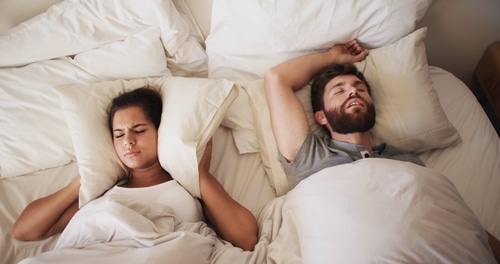 Sleep apnea is a sleep disorder that causes pauses in breathing throughout the night. The most common form, obstructive sleep apnea (OSA), occurs when your throat muscles relax, and the surrounding tissues block your airway. When this happens, you wake up in order breathing normally again.
These interruptions may last only a few seconds, and you might not even remember them the next morning. However, they can occur dozens or even hundreds of times a night, preventing you from getting the restorative sleep your body needs to function properly.
What Causes Obstructive Sleep Apnea?
Anyone can develop obstructive sleep apnea, though certain factors increase your risk. The size and shape of your jaw, tongue, and airway can make you more susceptible to breathing obstructions during sleep. Excess weight, age, and family history can also contribute.
While sleep apnea is often associated with being overweight, it can affect anyone. Even otherwise healthy individuals may have anatomical features that make their airways more likely to collapse during sleep.
What Are the Symptoms of Sleep Apnea?
You may not realize your breathing is interrupted at night, especially if you sleep alone. In many cases, a spouse or partner often recognizes unusual snoring or breathing pauses first.
Common symptoms of obstructive sleep apnea include:
- Loud, frequent snoring
- Choking or gasping during sleep
- Waking up with a dry mouth or headache
- Feeling excessively tired during the day
- Trouble concentrating or remembering things
- Irritability or mood changes
- Waking up frequently throughout the night
Not everyone with sleep apnea experiences the same symptoms. Some people snore heavily, while others mainly notice persistent fatigue or trouble concentrating. If you’re regularly waking up tired despite getting enough hours of sleep, we recommend discussing your symptoms with a healthcare professional.
Why Is Sleep Apnea Treatment So Important?
It’s easy to brush off snoring or assume that feeling tired is just part of a busy life. But when sleep apnea repeatedly interrupts your breathing at night, your body doesn’t get the rest it needs. You may find yourself reaching for another cup of coffee to get through the afternoon, struggling to focus at work, or feeling too exhausted to enjoy your time with family. Over time, poor sleep can take a toll on your mood, relationships, and overall quality of life.
Untreated sleep apnea can also affect you well beyond daytime fatigue. Each time your breathing stops or becomes restricted, your blood oxygen levels may drop. These repeated changes can put stress on your heart and blood vessels. In fact, a 2025 review of 18 studies involving more than 25,000 people found that those with obstructive sleep apnea had an approximately 82% higher risk of cardiovascular events, including heart attack and stroke, than those without the condition. The researchers also found that cardiovascular risk generally increased with sleep apnea severity.
Beyond cardiovascular concerns, obstructive sleep apnea has also been linked to other serious health problems, including type 2 diabetes and metabolic disorders. The repeated sleep disruptions can also contribute to excessive daytime sleepiness, which increases the risk of accidents, particularly while driving.
Effective sleep apnea treatment can help reduce breathing interruptions and improve your sleep quality. With appropriate treatment, you may feel more rested in the morning and have more energy throughout the day. Managing sleep apnea is also an important part of looking after your long-term health.
How Can a Dentist Treat Sleep Apnea With an Oral Appliance?
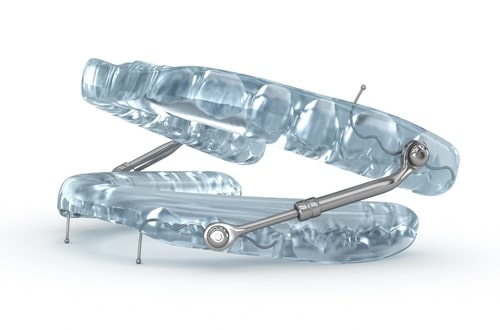 If you’ve been told you need a CPAP machine, you might be surprised to learn that your dentist can also help treat sleep apnea. At Diana Rodriguez & Associates, we offer custom oral appliances as an alternative for patients who struggle with CPAP or prefer a different treatment option.
A sleep apnea oral appliance looks similar to a mouthguard or orthodontic retainer. You wear it while you sleep, and it gently moves your lower jaw forward to help prevent your airway from becoming blocked. This lets air flow more freely and can reduce the breathing pauses that disrupt your sleep.
But how can such a small device make that much of a difference? Your jaw position affects the space available for air to pass through your throat. Holding your lower jaw forward helps keep that passage open, so you’re less likely to experience the airway blockages associated with obstructive sleep apnea.
Unlike a store-bought mouthguard, a sleep apnea oral appliance is custom-made to fit your mouth and adjusted to meet your treatment needs. Dr. Rodriguez or Dr. Lemieux considers your teeth, bite, and jaw position to help ensure the appliance fits properly and works as intended.
What Are the Benefits of Oral Appliances for Sleep Apnea Treatment?
When you’re dealing with sleep apnea, you want a treatment that helps you get the rest you need without making bedtime more complicated. Oral appliance therapy offers a practical option for many patients, including those who are exploring treatment for the first time or looking for an alternative to CPAP. These small, custom-made devices have several advantages that can make sleep apnea treatment easier to manage.
Comfort
A custom oral appliance fits over your teeth, much like a mouthguard or retainer. There’s no mask covering your face or tubing getting in the way when you change sleeping positions. While it may take some time to get used to wearing the appliance, many patients find it more comfortable than CPAP therapy.
Convenience
Oral appliances are easy to incorporate into your bedtime routine. You put yours in before bed, remove it in the morning, and clean it according to our instructions. Since there’s no machine to set up or maintain, treatment requires very little equipment.
The compact size is also helpful if you travel frequently. You can pack your appliance in a small case without worrying about finding an electrical outlet or bringing extra supplies.
Quiet Operation
A sleep apnea oral appliance works without a motor or pressurized air, so it makes no noise. And because effective treatment can reduce snoring, your partner may sleep more comfortably, too!
Better Sleep
Of course, the biggest benefit is the potential to sleep better. By helping keep your airway open, an oral appliance can reduce breathing interruptions and improve sleep quality. With effective treatment, you may wake up feeling more refreshed and find it easier to stay alert as you go about your day.
For patients who have trouble using CPAP consistently, an oral appliance may also make it easier to stick with their prescribed sleep apnea treatment.
Oral Appliance Therapy vs. CPAP
CPAP is one of the most effective treatments for obstructive sleep apnea, but getting used to sleeping with a mask and machine can be difficult. Some people struggle with air leaks, dry mouth, or mask discomfort. Others find the equipment cumbersome, especially when traveling. If you’ve had trouble using your CPAP consistently, it’s understandable that you’d want to explore other options.
Oral appliance therapy offers a different approach. Instead of using pressurized air to keep your airway open, a small device gently positions your lower jaw forward. There’s no mask, tubing, or machine to manage, which many patients find more comfortable and convenient.
Although CPAP generally does a better job of reducing breathing interruptions, an oral appliance can be an effective alternative for eligible patients. After all, even the most effective treatment won’t help much if you’re unable to use it regularly. If you’re considering switching from CPAP, speak with your treating physician before making any changes.
Who Is Eligible for Oral Appliance Therapy?
Could an oral appliance work for your sleep apnea? You may be a good candidate if your obstructive sleep apnea is considered mild to moderate. Oral appliances can also work well for people who can’t tolerate CPAP or would prefer a different treatment. Even some patients with severe sleep apnea may benefit if CPAP isn’t working for them.
Your oral health matters, too. Since the appliance fits onto your teeth and holds your lower jaw forward, we need to make sure it will fit securely and comfortably. Missing teeth, existing crowns or bridges, and jaw pain or other jaw problems may affect whether an appliance is appropriate and which design best suits you.
At Diana Rodriguez & Associates, we’ll examine your teeth and jaw and review your sleep apnea history. We’ll also discuss any concerns you have about treatment. If you’re interested in an oral appliance but aren’t sure if you’re a candidate, schedule a consultation to find out.
What To Expect From Oral Appliance Treatment
If you’re considering an oral appliance for sleep apnea, you probably want to know what the process looks like. Getting a custom appliance is straightforward, and we’ll make sure you understand what to expect before starting treatment.
1. Your Initial Consultation
During your first visit, Dr. Rodriguez or Dr. Lemieux will review your sleep apnea history and ask about any problems you’ve had with your sleep or previous treatments. We’ll also examine your teeth, gums, bite, and jaw to see if an oral appliance is a good option for you. This is a good time to bring up any questions or concerns.
2. Creating Your Custom Appliance
If you’re a good candidate, we’ll take impressions of your teeth to create your appliance. Because it’s made specifically for your mouth, it should fit much more securely and comfortably than a store-bought mouthguard.
3. Fitting and Adjusting Your Appliance
Once your appliance is ready, you’ll return to our office so we can check the fit and show you how to wear and clean it. You may need some time to get used to sleeping with it. We’ll make adjustments as needed to help you find a comfortable jaw position that also keeps your airway open.
4. Follow-Up Care
Your treatment doesn’t end once you receive your appliance. We’ll schedule follow-up visits to check how it’s fitting and make sure your teeth and jaw are responding well. Your sleep physician may also recommend another sleep study to confirm that the appliance is effectively managing your sleep apnea.
Better Sleep Starts Here at Diana Rodriguez & Associates
You shouldn’t have to spend your days feeling worn out because you’re not getting the rest you need at night. If you have obstructive sleep apnea, a custom oral appliance may help you sleep more comfortably without relying on a CPAP machine. At Diana Rodriguez & Associates, Dr. Rodriguez and Dr. Lemieux can evaluate your needs and help you decide if oral appliance therapy is right for you. Contact our Union City, NJ, office today to schedule a consultation and explore your options for better sleep.
Frequently Asked Questions
Oral appliances can be very effective at managing obstructive sleep apnea, but they aren’t considered a permanent cure. The device helps keep your airway open while you sleep, reducing breathing pauses and often improving symptoms like snoring and daytime fatigue. However, you need to wear it consistently to maintain those benefits.
The most important thing is finding a sleep apnea treatment that works for you and that you can use consistently. While CPAP is very effective at reducing breathing interruptions, that doesn’t help much if you struggle to wear your mask every night. For many people with mild to moderate obstructive sleep apnea, an oral appliance can be an effective alternative. It’s smaller, less cumbersome, and often easier to get used to. Of course, your treatment also needs to control your sleep apnea, so follow-up testing is important to make sure your appliance is doing its job.
Possibly. CPAP is generally the preferred treatment for severe obstructive sleep apnea. However, if you can’t tolerate CPAP, your sleep physician may recommend trying an oral appliance. You’ll need follow-up sleep testing to make sure it’s controlling your condition well enough. Severe sleep apnea requires careful management, so it’s important to work with your sleep physician before changing treatments.
You may notice some mild jaw soreness, tooth tenderness, or stiffness when you first start wearing your appliance. These symptoms often improve as your mouth adjusts, and we can adjust the fit if needed. However, long-term use can sometimes cause changes in your bite or tooth position. That’s why regular dental checkups are important. If your appliance causes persistent pain or discomfort, let us know so we can address it.
Most people need about two to four weeks to get comfortable sleeping with an oral appliance, though everyone adjusts at their own pace. At first, you might notice extra saliva, mild jaw stiffness, or the unfamiliar feeling of having something in your mouth. These issues tend to improve as you get used to wearing the device. If you’re having trouble adjusting, we can check the fit and make changes to help you feel more comfortable.
A custom sleep apnea oral appliance typically lasts around 3 to 5 years, although some devices last longer. Its lifespan depends on the materials, how well you care for it, and whether you grind your teeth at night. Daily cleaning and proper storage can help prevent unnecessary wear.
During your regular checkups, we’ll examine your appliance for signs of damage and make sure it still fits properly. If it becomes worn, loose, or damaged, it may be time for a replacement.