Researching types of dental implants should feel straightforward, but comparing options can sometimes be confusing. Patients often encounter various names, sizes, and procedure techniques. But in reality, they are trying to answer a more important question: which option fits their health, goals, timeline, and budget? Diana Rodriguez & Associates is a recognized Mini Dental Implant Center of America in Union City, NJ. Dr. Diana Rodriguez and Dr. Samuel Lemieux have specialized training in placing mini dental implants, which helps us explain how they compare with traditional implants.
Comparing Types of Dental Implants: Benefits, Limits, and Uses
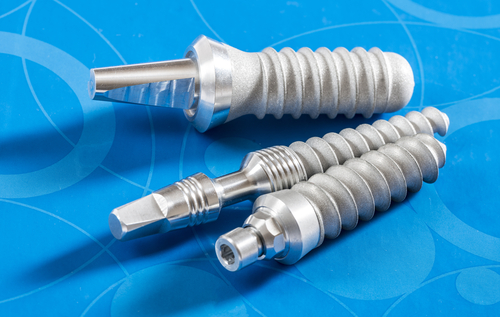
Two of the more widely considered types of dental implants are mini dental implants and traditional implants. Mini implants measure just under 3 millimeters in diameter, which is about half the width of a traditional implant. Their smaller size is important, but it is not the only difference worth noting.
Mini implants also belong to a broader category of one-piece implants. A one-piece implant combines the implant body and the abutment into a single structure. In simple terms, the implant goes into the bone, and the part that supports the crown, bridge, or denture is already built in. Traditional implants usually have two separate pieces: the implant post and the abutment that connects after placement.
A one-piece design can often simplify treatment by reducing the number of components involved. Mini implants also often require a less invasive placement process. A typical mini implant appointment begins with a local anesthetic. Then, we create a tiny opening through the gums and into the jawbone before placing the implant.
Traditional implants are larger, so the surgical approach changes to match the implant size and the available bone. They often involve flap surgery, a series of drills, and, in some cases, staged surgery or bone grafting. The main difference comes down to size. Mini implants use a smaller opening, which can make placement less invasive.
Types of Dental Implants: How To Weigh the Pros and Cons
Implant size and placement process are important factors to consider, but once you look beyond the technical differences, the way benefits and drawbacks are weighed can vary from patient to patient.
For example, many people who visit Diana Rodriguez & Associates to explore denture stabilization options have been clinically determined to be medically frail. Frailty can make recovery less predictable and limit the body’s ability to tolerate surgery, pain, and the healing process.
Research suggests that frailty is one factor surgeons consider when determining whether oral surgery is appropriate for a patient. Oral surgery can become more difficult when underlying health conditions increase the risk of bleeding, infection, or delayed healing. As a result, traditional implant surgery may not be the ideal path for every patient. Since mini dental implants often involve a minimally invasive placement process and shorter treatment times, they may be a more suitable option for some medically frail individuals.
Why Mini Implants Often Cost Less
Another important measurement patients keep in mind is cost. Tooth replacement is an investment in every sense of the word. You are replacing missing teeth with a strong, reliable alternative that integrates with the body, supports function, and helps maintain the jawbone. For many people, that makes implant treatment an investment in oral health. Still, the financial side of treatment is an important part of the decision.
Mini dental implants are smaller, usually require a less invasive procedure, and often involve a shorter healing period. For those reasons, they can be a more cost-effective implant option. In many cases, mini dental implants may cost up to half as much as traditional implant treatment.
Still, we like to stress that a lower cost does not mean lower value or a less thoughtful treatment plan. Mini dental implants have strong long-term outcomes, with reported success rates often reaching 90% or higher. Their lower cost usually comes from the way treatment is structured. Because mini implants require a simpler process, they can make tooth replacement less involved than many patients expect. In many cases, that simplicity can also reduce the overall cost.
Book a Free Consultation To Explore Your Implant Options!
Mini dental implants and traditional implants can both support strong, lasting tooth replacement, but the right choice depends on your health, bone structure, treatment goals, and budget. At Diana Rodriguez & Associates, we will help you compare your options clearly so you can understand where each treatment fits and why one may make more sense for your needs.
If you want a less invasive, cost-effective way to replace missing teeth or stabilize a denture, mini dental implants may be right for you. Book a free consultation to explore your options!